Pinky Almond: A Natural Handwritten Font for Editorial Design and Digital Publishing
Pinky Almond Adds Personality to Blog Headers and Article Titles
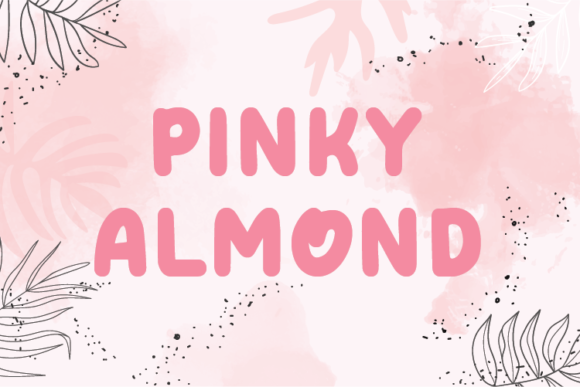
Pinky Almond is a script handwritten font that brings a warm, personal touch to blog headers, article titles, and editorial layouts. Unlike many digital fonts that feel overly polished or artificial, Pinky Almond maintains a natural, hand-drawn quality that enhances readability without sacrificing charm. For bloggers and content creators looking to differentiate their visual tone, this font offers a unique alternative to standard serif or sans serif typefaces.
Its flowing lines and subtle variations in character spacing make it ideal for use in digital magazines, newsletter headers, and online feature articles. When used in blog post titles or feature intros, Pinky Almond helps establish a distinct editorial identity that resonates with readers seeking authenticity and creativity.
Pinky Almond Elevates Quote Graphics and Social Media Typography
In the world of Fonts designed for content creators, few offer the expressive versatility of Pinky Almond. Whether you're designing inspirational quote graphics for Instagram, Pinterest pins, or Facebook posts, this script handwritten font adds a human, approachable feel that engages audiences.
- Perfect for social media quotes and motivational captions
- Enhances visual hierarchy in carousel posts and stories
- Works well with minimalist backgrounds and soft color palettes
Because Pinky Almond maintains a consistent character structure without altering node indentations, it retains a smooth, readable flow even at smaller sizes. This makes it a reliable choice for digital creators who want a handwritten aesthetic without compromising legibility on mobile screens.
How Pinky Almond Supports Ebook Covers and Chapter Openers
For ebook authors and digital publishers, typography plays a crucial role in attracting readers and reinforcing brand identity. Pinky Almond serves as an excellent choice for ebook cover titles, chapter openers, and quote callouts, especially in niches like lifestyle, wellness, personal development, and creative entrepreneurship.
When used as a display font for chapter titles, Pinky Almond introduces a sense of intimacy and craftsmanship that aligns with the content's tone. It pairs beautifully with clean serif fonts like Georgia or Times New Roman for body text, creating a balanced and professional layout that's easy on the eyes.
Pinky Almond in Newsletter Design and Email Marketing
Newsletters and email campaigns thrive on visual appeal and readability. Pinky Almond can be effectively used in email headers, subheadings, and call-to-action buttons to add a personal, handwritten touch that stands out in crowded inboxes.
Designers working with platforms like Mailchimp, ConvertKit, or Substack can integrate Pinky Almond in web-safe font formats or image-based headers to maintain consistency across devices. Its natural flow and organic spacing make it particularly effective for:
- Personalized greeting lines
- Feature highlights and pull quotes
- Brand signatures and closing notes
When used sparingly and paired with a legible sans serif font like Helvetica or Open Sans, Pinky Almond enhances the overall editorial tone without overwhelming the reader.
Using Pinky Almond for Printables, Workbooks, and Lead Magnets
Content creators who offer downloadable guides, planners, or worksheets will find Pinky Almond to be a versatile font for crafting visually appealing printables. Whether designing a digital planner, coaching workbook, or recipe ebook, this script handwritten typeface adds a soft, inviting texture that encourages engagement.
Its clean character structure ensures that it prints well and remains readable in both black-and-white and color formats. Designers should consider using Pinky Almond for:
- Workbook titles and section headers
- Instructional notes and reflective prompts
- Lead magnet branding and opt-in page graphics
Because the font maintains its character integrity without node manipulation, it scales well across different formats, making it a reliable choice for multi-use digital products.
Font Pairing Tips for Editorial Layouts with Pinky Almond
One of the strengths of Pinky Almond is its ability to pair well with a wide range of complementary Fonts. For editorial designers, the key is to balance its expressive nature with more structured typefaces to maintain readability and visual harmony.
- Pair with a classic serif like Garamond or Baskerville for body text in print magazines
- Use a modern sans serif like Lato or Roboto for captions and navigation menus
- Combine with a minimalist monospace font for tech or coding-related content
These pairings help establish a clear visual hierarchy while allowing Pinky Almond to shine as a standout design element.
Readability and Licensing Considerations for Content Creators
When selecting a font like Pinky Almond for use in blogs, newsletters, or digital products, it’s important to consider both readability and licensing. The font performs well across screen sizes and is suitable for use in:
- Web-based articles and blog posts
- PDF exports and ebook formats
- Mobile-optimized layouts and print-ready documents
Content creators should also verify the licensing terms to ensure compliance when using the font in commercial projects such as:
- Paid newsletters and membership sites
- Client-facing publications and branded templates
- Digital downloads and online course materials
With proper licensing, Pinky Almond becomes a valuable asset in a designer’s toolkit, offering both aesthetic appeal and functional versatility across publishing platforms.